Who Is Responsible for Training Temporary Workers?
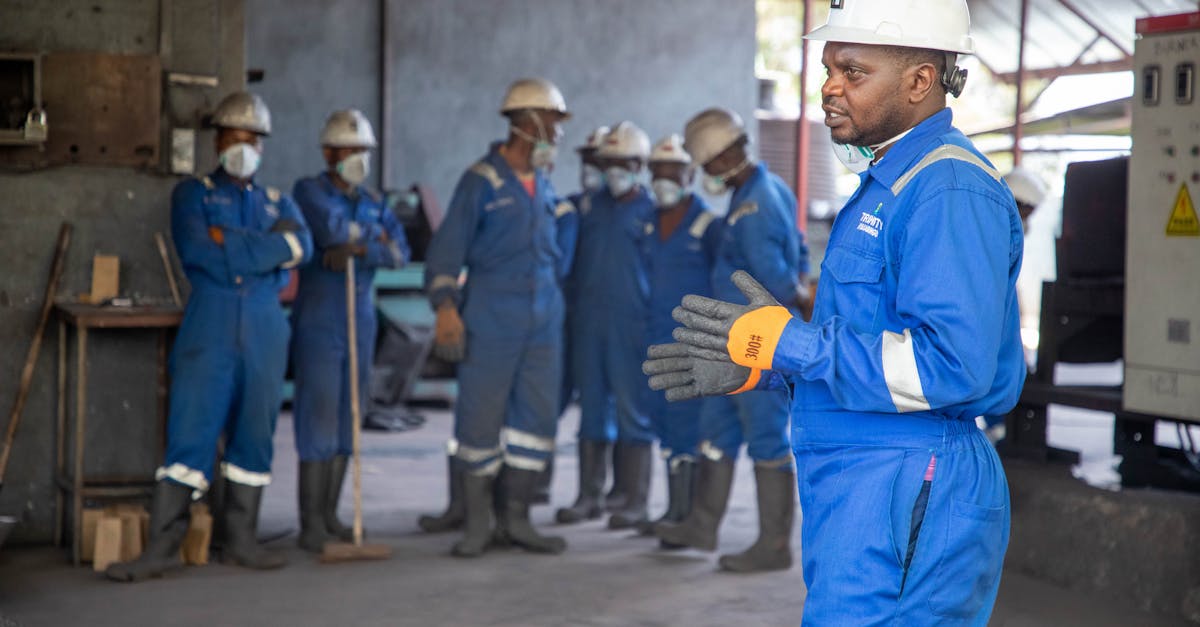
Ensuring temporary workers receive proper training is not only good business practice; it is also a legal requirement. Staffing agencies and host employers share the responsibility to ensure temporary workers are adequately trained. Each party plays a distinct and critical role in making sure temporary employees are prepared, safe, and set up for success with every assignment. When you work with Qualified Staffing, a leader in national staffing and recruitment, your organization benefits from full compliance, robust onboarding, and reduced safety risks from the very first day.
Definition: Who Is Responsible for Training Temporary Workers?
Guidance from OSHA (Occupational Safety and Health Administration) and NIOSH (National Institute for Occupational Safety and Health) states that both the staffing agency and the host employer are considered joint employers. They are expected to share responsibility for training temporary workers. Here is what this joint responsibility covers:
- The staffing agency provides general, compliance-focused, and foundational safety training.
- The host employer delivers site-specific, job-specific, and equipment-focused training, directly addressing the hazards and procedures in their environment.
- Both parties are accountable for verifying and documenting that all necessary training has been completed before the worker begins.
How Training Responsibilities Are Divided
Understanding how these responsibilities are divided is crucial for legal compliance and worker safety. At Qualified Staffing, we work closely with employers to establish clearly defined, documented training plans that meet all regulatory standards and industry best practices.
Staffing Agency Responsibilities
- General Safety and Health Training: Educate workers on hazard recognition, injury reporting, and worker rights.
- Compliance Training: Cover essential topics such as anti-harassment, discrimination, and workplace conduct relevant to all assignments.
- Hazard Communication Basics: Deliver basic chemical safety and hazard communication training.
- Onboarding and Administrative Briefings: Provide instructions for timekeeping, payroll, attendance, and company policies.
- Language-Appropriate Delivery: Ensure training is presented in a language the worker understands.
- Verification: Check that all site- and task-specific training is completed by the host employer before a temporary worker is assigned to the role.
Host Employer Responsibilities
- Site-Specific Orientation: Introduce safety rules, emergency exits, alarms, evacuation routes, and muster points.
- Task and Equipment Training: Provide detailed instruction on how to operate machinery, use tools, and perform assigned tasks safely.
- Hazard-Specific Training: Address particular risks at the job site, including chemicals, personal protective equipment (PPE) requirements, and machinery specifics.
- Equal Safety Treatment: Temporary workers must receive the same safety equipment and training as permanent staff performing comparable work.
- Documentation: Maintain and share detailed training records. These should also confirm completion within three business days of an assignment starting.
Legal and Regulatory Framework
OSHA has clearly defined the shared responsibility for training temporary workers, as reinforced by NIOSH. If either the staffing agency or the host employer fails to provide adequate training, OSHA may cite both parties. Compliance is nonnegotiable and is judged based on thorough documentation and well-established policies. For more details on preparing your workplace, see our guide What Employers Should Review Before Bringing on Temporary Workers.
Risks of Inadequate Training
- You may be subject to citations and fines from regulatory authorities in cases of missing or insufficient training.
- The risk of injury or accidents among temporary staff can increase, resulting in higher turnover and greater liability claims.
- Temp worker morale and productivity may drop if they feel unprepared or unsafe.
- Both the staffing agency and the host employer share joint liability for issues arising from insufficient training.
Step-by-Step Framework: Effective Temporary Worker Training
1. Define Responsibilities in Writing
- Begin each assignment with a written agreement between the staffing agency and host employer, clearly specifying duties related to each training topic.
- Include all general and site-specific requirements, certifications, and documentation protocols in the plan.
2. Provide Training Before Work Begins
- Require completion and proper documentation of all general, compliance, and site-specific training modules before the temporary worker starts the assignment.
3. Document Thoroughly
- Keep detailed records of training dates, trainer names, topics covered, worker identities, and any assessment tools used to verify understanding.
4. Maintain Ongoing Communication
- Share updates on new hazards, changes to work assignments, or incidents that require refresher training. Both parties must communicate proactively to ensure safety and compliance.
Industry-Specific Examples
Qualified Staffing partners with a range of industries, and we provide tailored training approaches suited to each environment:
Light Industrial and Manufacturing
- Staffing agency: Covers general injury prevention, PPE basics, and hazard awareness.
- Host employer: Responsible for specific machine guarding, lockout/tagout procedures, and chemical safety protocols.
Administrative and Office Settings
- Staffing agency: Focuses on workplace conduct, anti-harassment, and ergonomics.
- Host employer: Teaches protocols for emergency evacuation, the use of phones and software, and data security policies.
Education and School Settings
- Staffing agency: Presents general child safety and reporting requirements.
- Host employer: Provides school-specific emergency drill procedures and supervision policies.
PPE and Safety Equipment Training
- Host employer: Provides PPE and training on correct use for all temporary workers.
- Staffing agency: Confirms that the host employer complies by ensuring no worker begins an assignment without required PPE or adequate PPE training.
Best Practices for Temporary Worker Training
- Create a written training plan for every assignment, specifying which party is responsible for each training element.
- Emphasize completion and documentation of safety, compliance, and job-specific training before the worker steps into their role.
- Ensure ongoing, open communication between staffing agency and the host employer regarding hazards, incidents, or changes to job tasks.
- Send timely confirmation of site-specific training, ideally within three business days.
- Regularly review and update training, especially for high-risk tasks or when processes change.
- If needed, consult specialists, like Qualified Staffing, to audit and improve your training procedures.
How Qualified Staffing Supports Employer Compliance and Safety
When you partner with Qualified Staffing, you receive support from certified experts with proven safety programs. Our management team holds certifications from SHRM, OSHA, and the American Staffing Association and brings more than a decade of experience to every client relationship. We construct joint training programs that go beyond minimal legal requirements. Through our Q Connect program, we facilitate ongoing communication with temporary workers, allowing us to identify potential gaps and maintain a high standard of safety, satisfaction, and compliance.
Our services include:
- Comprehensive onboarding with a focus on the candidate experience
- Safety program integration and ongoing management
- Clear, written documentation of training responsibilities for every assignment
- Consultation and industry best practice support for our clients
To see how our approach helps employers streamline onboarding and maintain workplace safety, you might also be interested in our success stories from manufacturing and logistics clients.
Checklist: Ensuring Comprehensive Training for Temporary Workers
- Provide a thorough description of job duties and hazards before each worker is assigned.
- Develop a written plan assigning responsibility for each training topic.
- Document every training session, including topics and completion status.
- Check that all required PPE is supplied and that workers know how to use it.
- Communicate quickly when workplace changes or incidents occur.
- Send and store all training confirmations within established timelines.
Frequently Asked Questions
Who delivers the actual training for temporary workers?
Staffing agencies like Qualified Staffing are responsible for general safety and compliance training. The host employer covers site-specific and task-specific instruction. Both must document and confirm training for each assignment.
Is a written agreement required?
Although a written agreement assigning training responsibility is not required by law in every jurisdiction, OSHA and leading best practices strongly recommend it.
Who supplies the personal protective equipment (PPE)?
The host employer is generally responsible for providing appropriate PPE and instructing temporary workers on its use. The staffing agency must verify these requirements are met before a worker is assigned.
What happens if a temporary worker is injured on the job?
If the injury results from a lack of proper training, both the staffing agency and the host employer may share liability. Keeping accurate documentation and responding quickly helps minimize risk and protect everyone involved.
How often should training be refreshed?
Refresh training when new hazards or equipment are introduced, tasks change, or an incident exposes a knowledge gap. Some employers also set schedules for periodic refreshers, particularly in high-risk environments.
Is this process necessary for short-term assignments?
Yes. Even daily or single-shift placements require full compliance with training standards and documentation prior to the start of work.
Conclusion
Temporary worker training is a joint and thoroughly documented responsibility. Both staffing agencies and host employers play critical roles from the first discussion through ongoing assignments. As safety regulations and industry standards evolve, clear division and documentation of responsibilities are more important than ever. If you want to ensure your temporary workforce is trained, compliant, and productive from day one, contact our team for a consultation. At Qualified Staffing, we help employers like you create safer, stronger workplaces with every temporary assignment.